
COCOON


uSER CENTERED sdG

Challenge
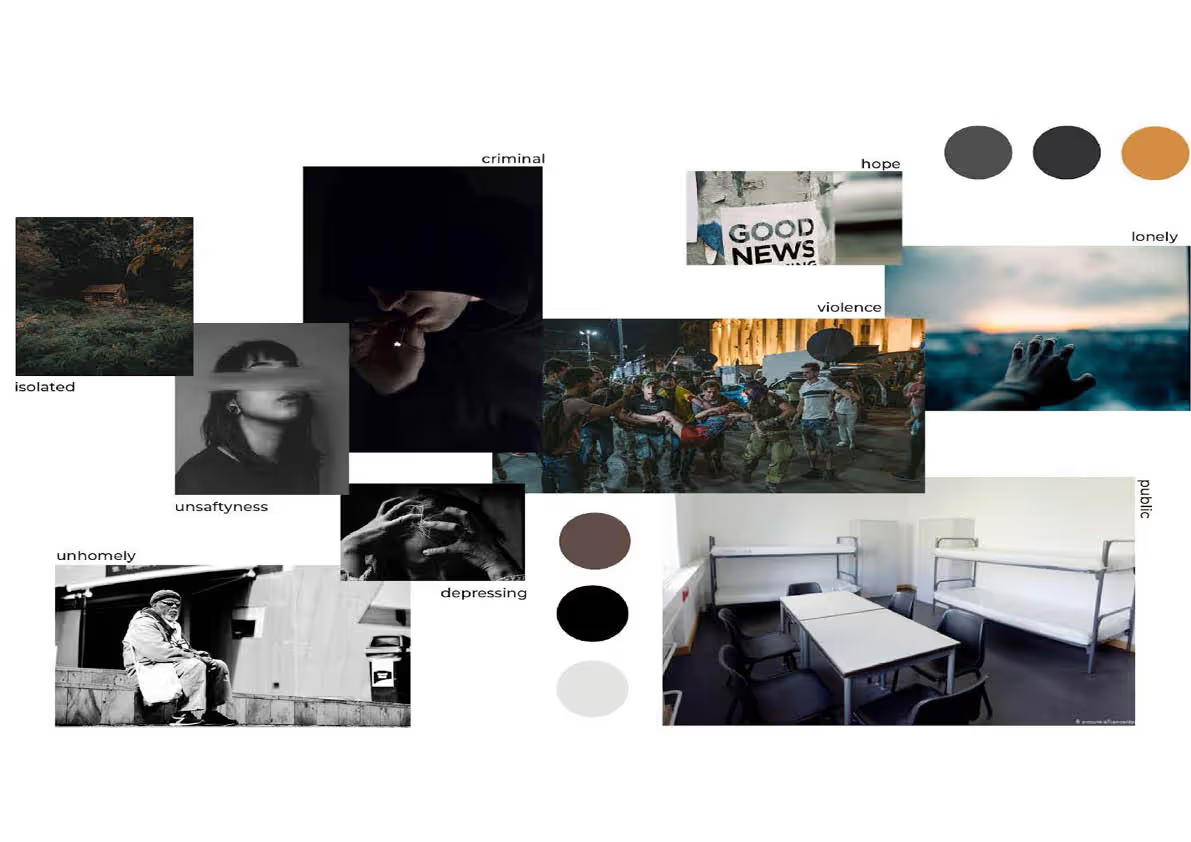
This project was completed abroad in Germany and was developed in response to the increasing influx of refugees into the country. As part of a socially driven design initiative, it aimed to tackle real-world issues affecting vulnerable communities. The starting point for the project was the United Nations Sustainable Development Goal (SDG) of Good Health and Well-Being. This SDG focuses not only on physical health, but also places growing emphasis on mental health, especially in light of the increasing number of vulnerable groups suffering from psychological distress.
Goal
The project, titled Cocoon, was heavily shaped by the objectives of the SDG around health and well-being. Recognising the complex mental and emotional challenges faced by displaced individuals, Cocoon sought to provide meaningful design solutions that could support the well-being of refugees affected by war and violence. To ensure the outcome aligned closely with the SDG's intent, the project followed the Double Diamond design methodology.
Solution
This approach began with intensive research—gathering, condensing, and analysing information—which guided the design direction. Special attention was given to identifying and understanding the needs of an extremely vulnerable user group: refugees. Through careful investigation and empathy-driven design, Cocoon evolved into a project that aimed to offer mental and emotional support for those facing the trauma of displacement.
dESIGN DRIVERS &
RESEARCH
Design Driver
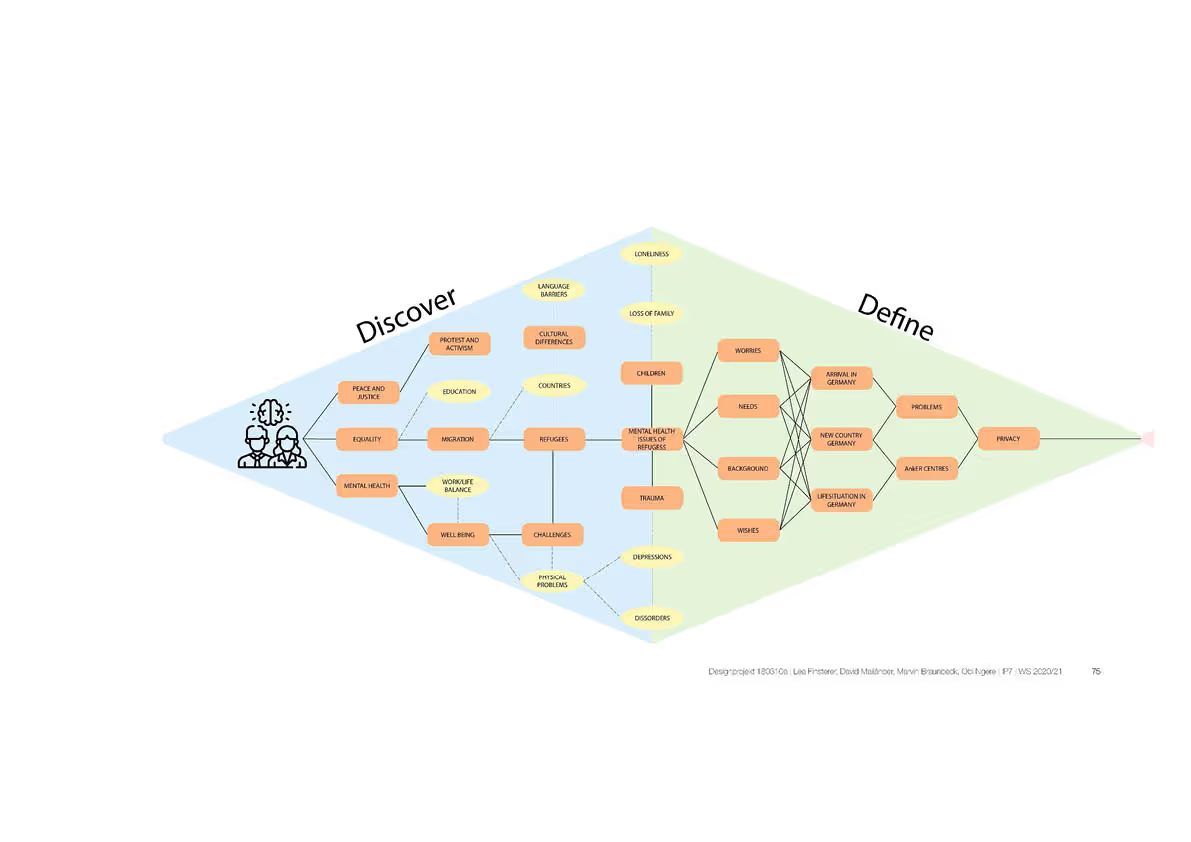
To ensure the final design solution would effectively support refugee well-being in Germany, the team adopted the Double Diamond design process, which guided the research and development of the Cocoon project. This structured methodology is divided into four phases: Discover, Define, Develop, and Deliver. The diagram shown focuses on the first two phases—Discover and Define.
In the Discover phase, the team explored a wide range of topics relevant to the refugee experience and the broader context of the chosen SDG—Good Health and Well-Being. This phase was essential for gathering insights and understanding the multi-layered challenges refugees face upon arrival in Germany.
Key themes explored included:
- Peace and Justice, Migration, and Refugees: Establishing the political and social backdrop of displacement.
- Mental Health, Well-being, and Work-life Balance: Highlighting emotional and psychological struggles.
- Challenges and Cultural Differences: Identifying real-world friction points that refugees encounter when integrating into a new society.
- Language Barriers, Loss of Family, and Trauma: Emphasising the mental health issues rooted in displacement, separation, and identity loss.
This research revealed the mental health aspect of displacement as a critical issue, especially in the context of vulnerable groups. These groups children, trauma victims, and those suffering from depression or disorders.
The Define phase involved narrowing down the insights gathered into a clear and actionable design problem. Here, the team mapped how emotional and situational factors such as Worries, Needs, Background, and Wishes intersect with the refugee experience in a new country—Germany.
This analysis highlighted specific problems such as:
- Privacy concerns in Asker Centres (temporary housing),
- Cultural adjustment difficulties
- Mental health service gaps.
By synthesizing these findings, the team defined a core challenge: how to support the mental well-being of refugees adjusting to life in Germany, particularly in the context of transitional environments like Asker Centers. This diagram was instrumental in guiding the project towards a human-centered design solution that prioritized empathy, practicality, and psychological safety for displaced individuals.:
Target demographic : Refugees
Refugees' are an extremely vulnerable demographic of people that have faced a large amount of trauma, that affects their daily lives. This trauma has a large effect on issues they face post the migration of their asylum country. After migrating, refugees face a large host of issues that could be negatively affecting their mental health. For example, the trauma inflicted on refugees having to flee their lives can cause crippling post-traumatic stress order, which may make it hard to integrate with a new community. Other post-migration issues that refugees face include adjusting to a new environment, being unsure of their family's circumstances, mental health and mental health illnesses.
During the research process, a former refugee was able to give us some illuminating insights into what it was like to live in Anker center in Germany. These insights were:
CONCEPT
SKETCH
t was a long journey from the first sketch to the finished product solution. We wanted to design not only a sleeping facility but much more a retreat for people who › no longer have a place to rest safely and have access to privacy. Everyone has the right to feel safe and have a place to sleep. Exactly for this aspect, we have developed Cocoon is not the solution for the basic problem, but maybe a ray of hope for the people who will use this product. During the research process, a former refugee was able to give us some illuminating insights into what it was like to live in Anker center in Germany. These insights were:
COMPONENT BREAKDOWN
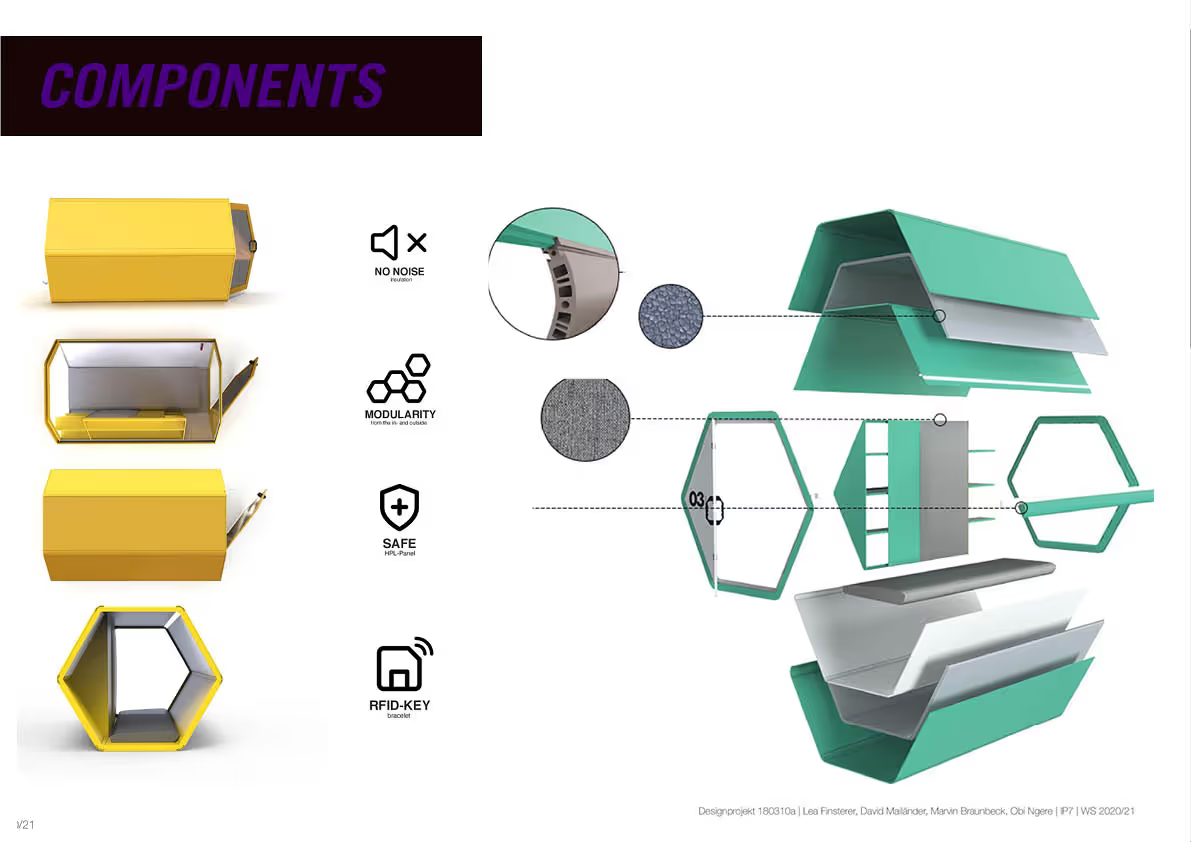
In order to create a double-walled construction, we use vandal-proof plastic panels as the outer and inner shell, which have enough load-bearing capacity to support the construction with an appropriate wall thickness. In addition, it is fire-retardant and if it does get damaged, which is very difficult, each panel can be replaced at a low cost.
As an intermediate layer, we use PU insulation panels, which insulate sound as well as store some heat and are mould and fire-resistant.
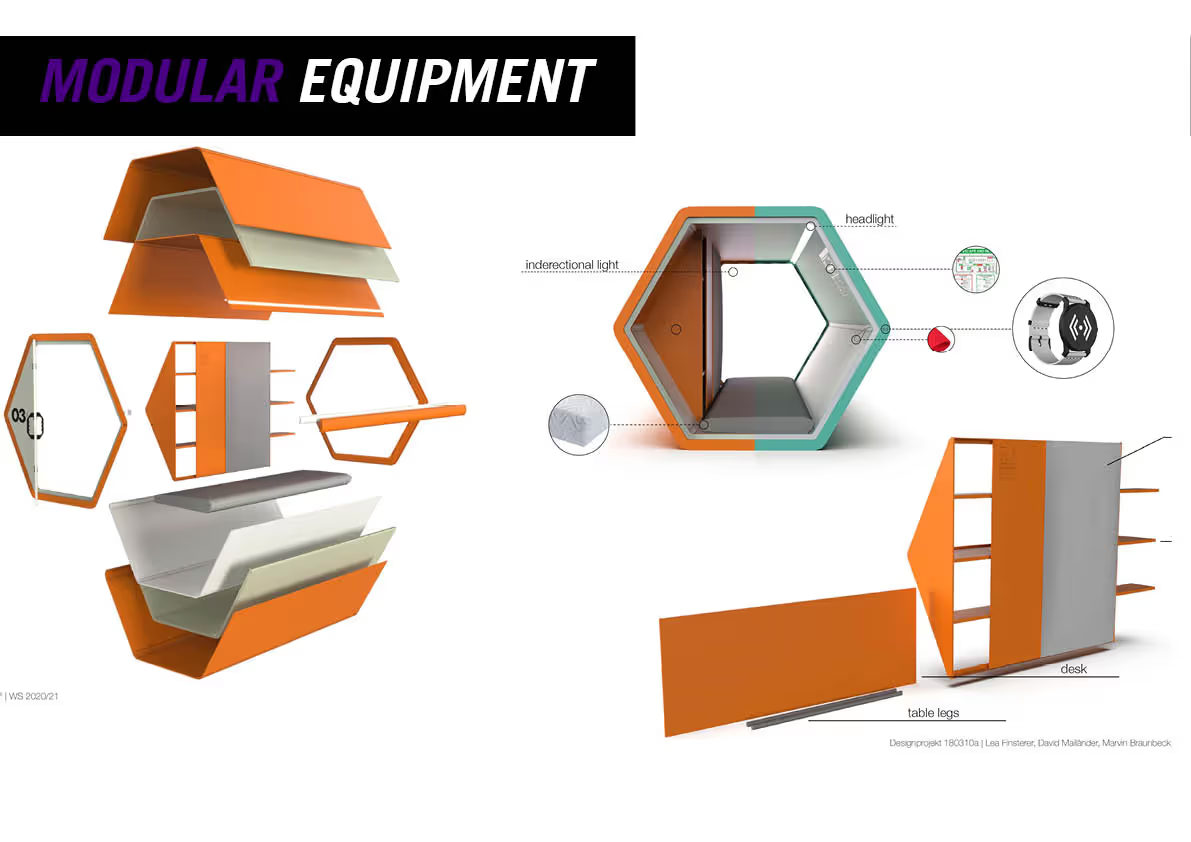
Through our rail system, a cupboard and a desk can be added, as for example here in the interior. But this is just the beginning because elements can also be added outside, even if it would only be a clothesline. The future step would be to offer a whole range of accessories, which the caretakers of the dormitories can then manage, and each resident can get something to furnish their capsule individually.

rENDER