Dionecho







SEnsory focused Design

Challenge
Dionecho was a university project that I designed from start to finish, following a structured design timeline. Through research, ideation, and prototyping, I developed Dionecho to enhance music enjoyment with synchronized auditory, visual, and aromatic stimuli, creating an immersive and accessible experience for all users, including those with physical limitations.
Goal
The nomenclature "Dionecho" draws inspiration from the Greek deity associated with pleasure and festivities, Dionysus, and is coupled with the evocative term "echo," encapsulating the essence of its multisensory allure.
Design driver &
tARGET AUDIENCE
Design Drivers
This product aims to help break the myth that the hearing impaired do not enjoy music or musical events. Several case studies were published in the Oxford Handbook of Music and Disability Studies exploring how the hearing impaired engage with music and the damage caused by this misconception,
Over the last two years ,people were forced to stay inside and isolate themselves to a small circle of people. Music was a popular tool used for escapism at this time. Music has a history of being a tool for escapism. Music can relax the mind, energize the body, and even help people better manage pain.(Kendra Cherry, 2019 ) Can these affects be achieved without hearing?
“The UK is estimated to be the biggest digital music market in Europe,(Statista 2020) “Over the five years through 2021-22, the Festivals industry is expected to fall at a compound annual rate of 5.6% to £1.8 billion”(ibisworld-2022)This data shows that the music based services and products are trending positively in the UK.
Personas
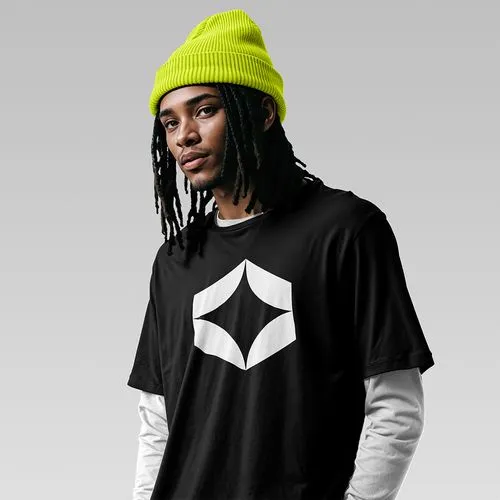
Hipster Audiophile
Age 24 - Gen Z
User Behaviour
Loves music often listening to music wherever he goes.
He buys Hi-fidelity sound equipment and artist merchandise.
Often attends concerts and hosts party at his home.
Pain Points
Buying audio equipment is very expensive.
He cannot recreate the club environment without buying serval expensive lighting equipment.
Often gets complaints about his loud music from his neighbors due to him trying to emulate a clubs ambience.
Scenarios
Visits a rave. He hears the deafening music and is influence by the DJs to dance. He buys alcoholic beverages to augment his senses ,he believes it will better immerse himself in his surroundings.
Deaf Nightclub Queen
Age 21 - Gen Z
User Behaviour
Throughly enjoys going clubbing with her friends. She is deaf however she enjoys going to concerts due to all the effects that contributes to show (visual effects , vibrations).She loves watching music videos .
Pain Points
Often excluded from conversations about the effects of music.
Does not want to visit clubs due to Covid-19.
She does not interpret music in the same way as her peers.
Scenarios
She visits a house party where loud music is playing. She cannot hear the music, however she can feel the vibrations hitting against her. Furthermore, she wants to immerse herself in the partying experience, however the venue has not done an adequate job at decorating. Additionally, she wants to dance in the middle of the room, but due to the lighting, she feels like she may look strange doing so.
Specification

Lighting

Sustainability

Aroma

Durabilty

Adjustment

Maneuverability
COncept & sketches
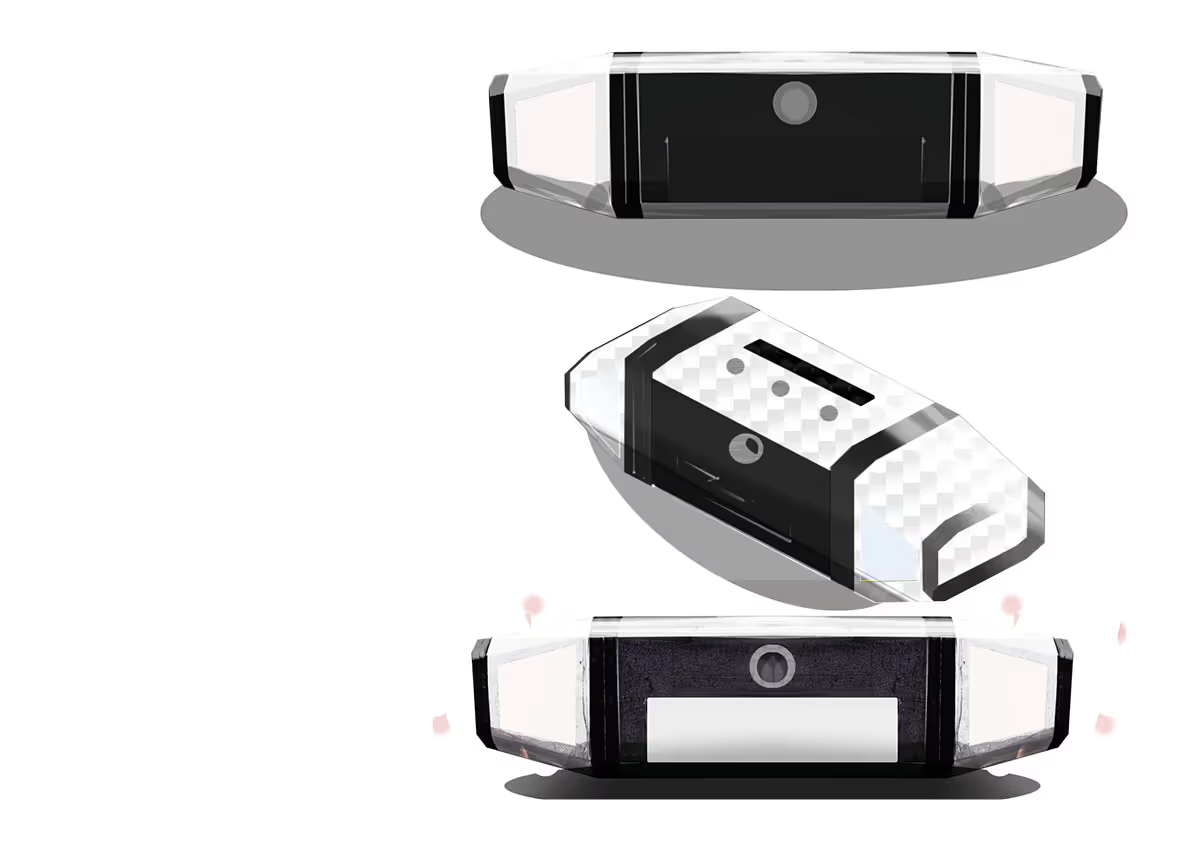
Conceptual drawing
On the left you can see the results of the previous design processes explored. In the previous ideation the form language and aesthetics for the design were determined. This includes colour pallet and inner working mechanisms.
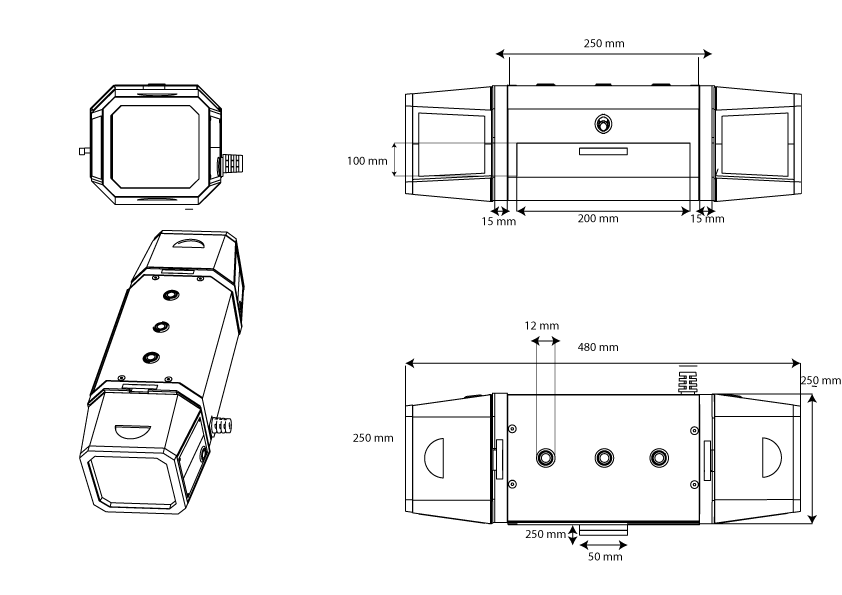
Orthographic Drawing
The left side features orthographic drawings of the Dionecho, complete with precise measurements. These measurements are vital for maintaining accuracy and consistency during manufacturing, aiding in component assembly, and ensuring optimal performance. Additionally, they serve as a reference point for quality control, enabling engineers to verify compliance with specifications. Overall, the detailed measurements provided are essential for maintaining precision throughout the design, construction, and analysis of the Dionecho.
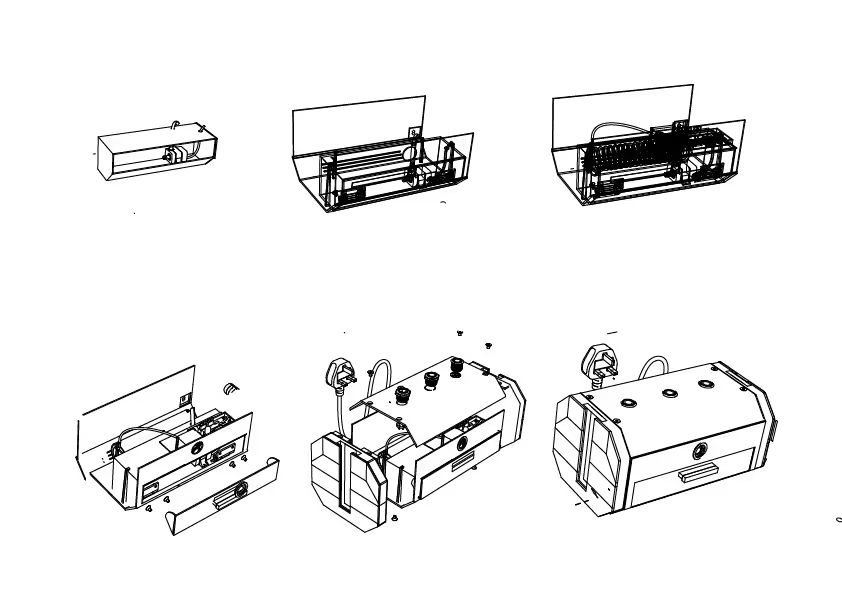
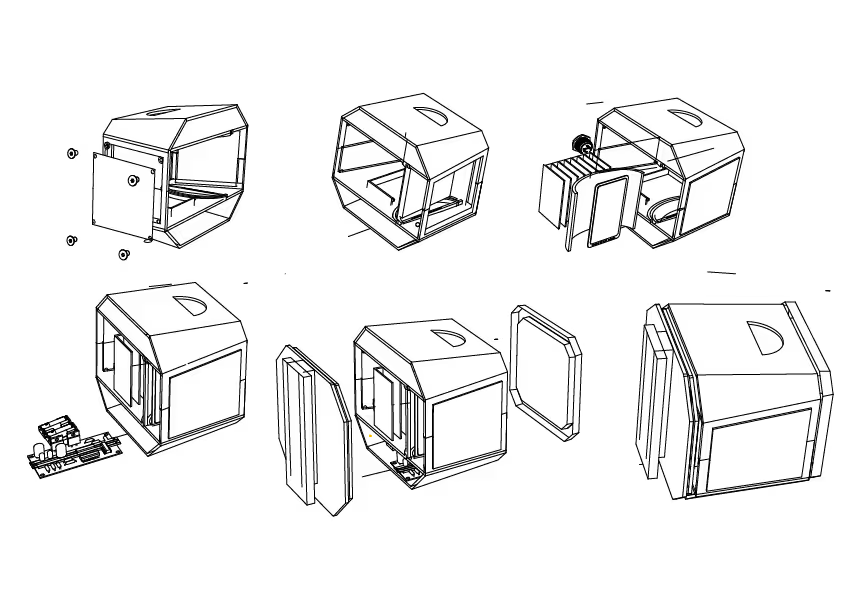
Assembly One
Above is an image detailing the assembly process and configuration of the Dionecho's main body. This visual guide simplifies the construction sequence and component arrangement, aiding in efficient assembly for manufacturing or maintenance. It serves as a reference for proper alignment and integration, ensuring functionality and reliability.
Assembly Two
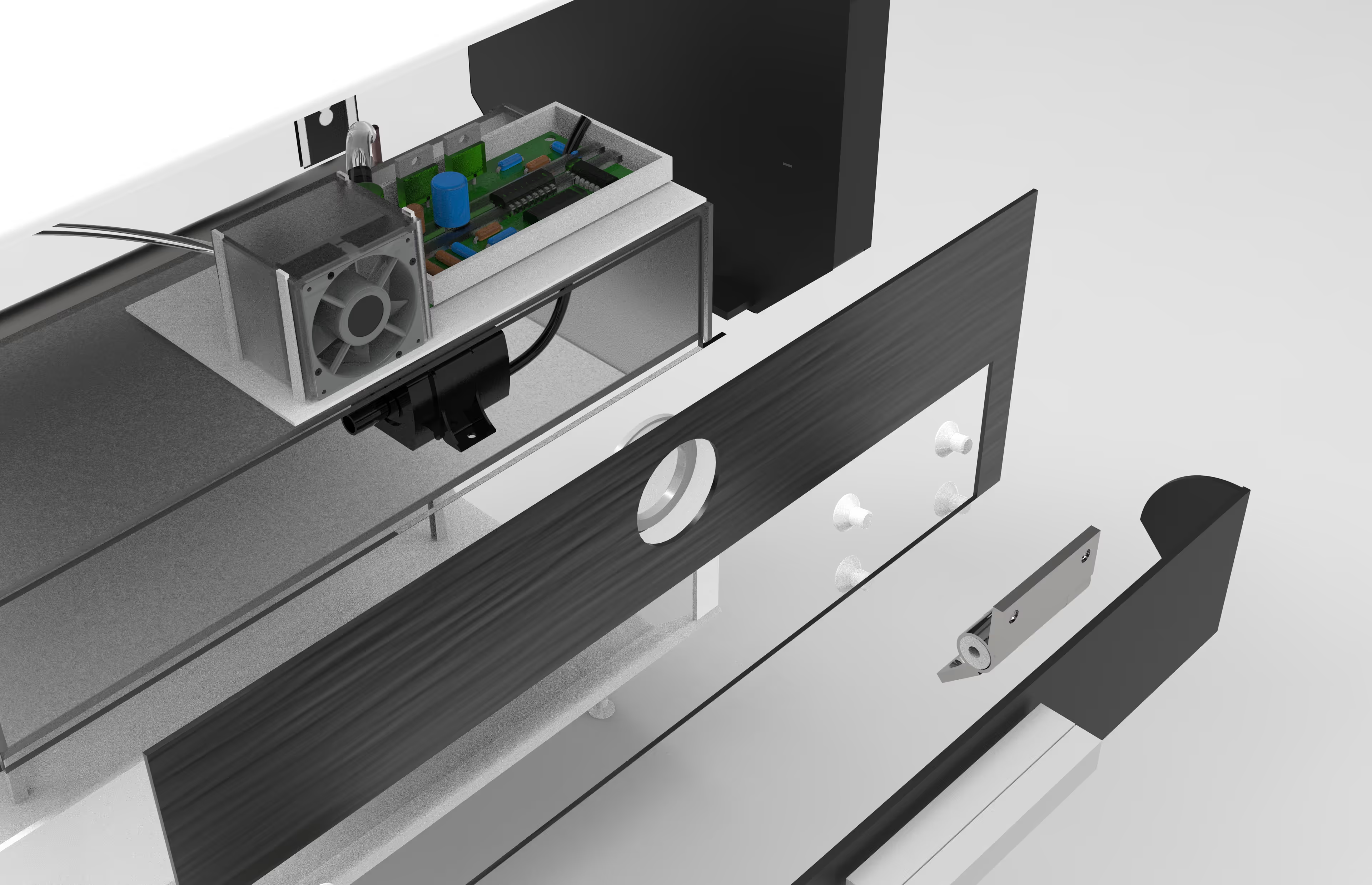
Above is an image detailing the assembly process and configuration of the lighting component of the Dionecho. This visual guide simplifies the construction sequence and component arrangement, aiding in efficient assembly for manufacturing or maintenance. It serves as a reference for proper alignment and integration, ensuring functionality and reliability of the lighting system within the Dionecho.
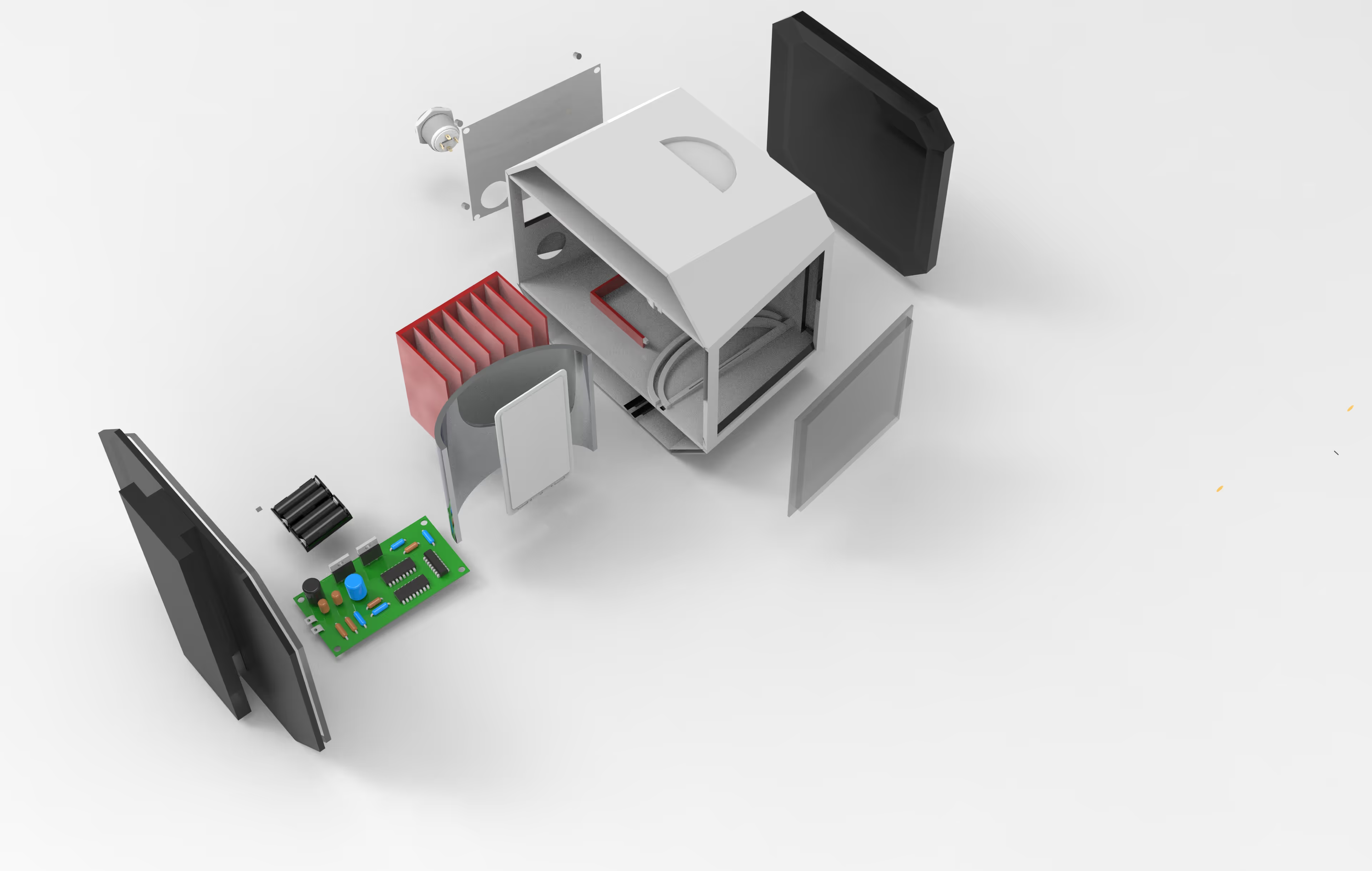
Exploded
views
Youtube Promo
Production and Features of the SM Casing
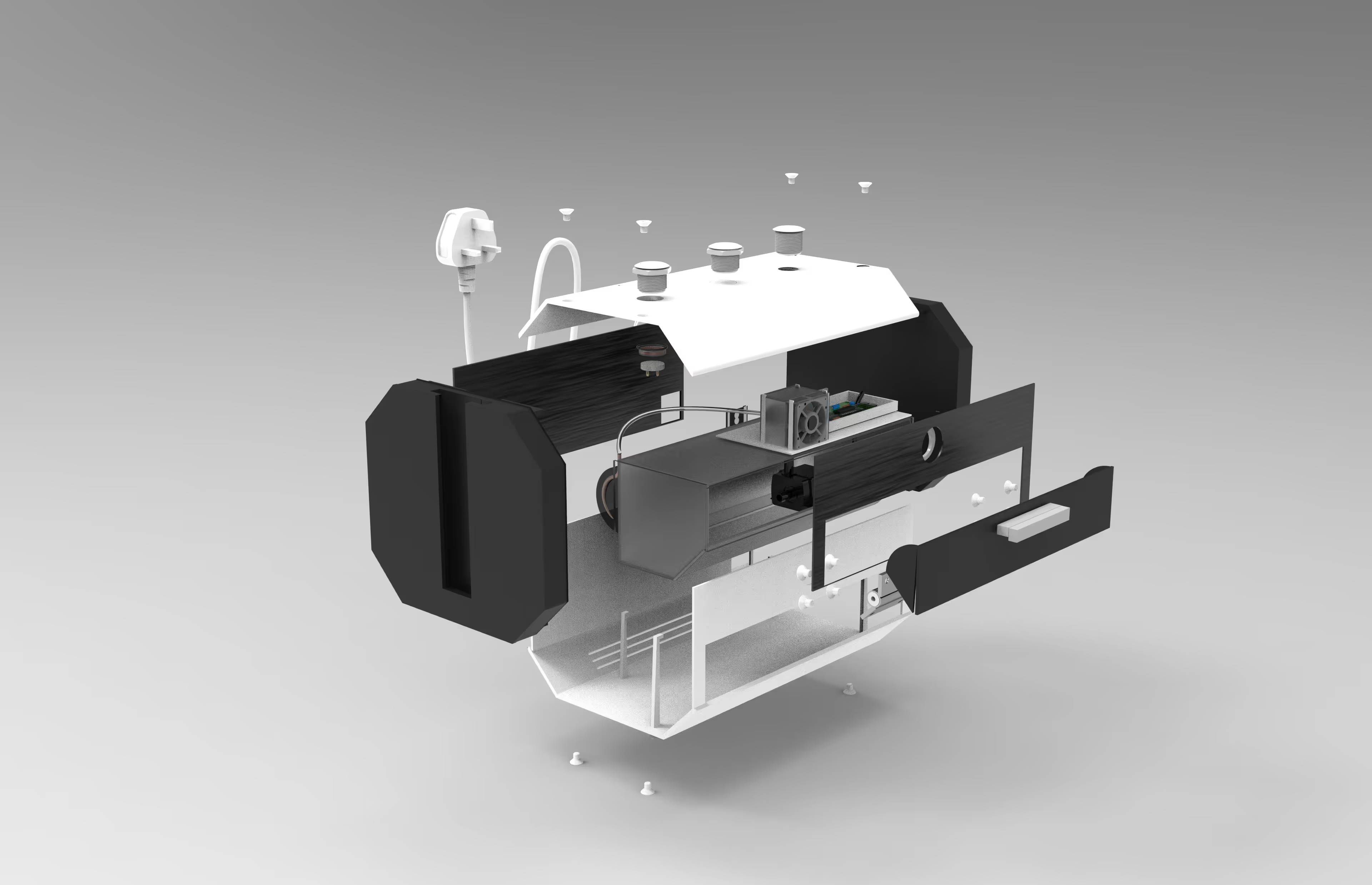
The SM casing undergoes meticulous fabrication via the injection moulding technique. To accommodate the stylish aluminium panels, it is crafted in two distinct sections. The lower casing is a receptacle for various internal components, featuring extruded clips along its base. These clips are strategically designed with a 3-degree draft angle, facilitating smooth lip injection during assembly. Additionally, small apertures have been integrated into the casing's wall to facilitate seamless integration of the clips. Furthermore, the casing incorporates bosses, strategically positioned to facilitate precise screw alignment and installation.
Design and Manufacturing Features of the SM Casing
The exquisite design of the SM Casing features meticulously crafted beveled edges, resulting in significant draft angles of approximately 20 degrees for the two injection-molded pieces. These generous draft angles play a pivotal role in ensuring effortless ejection from their respective molds, enhancing manufacturing efficiency.
Moreover, the side panels of the SM Casing are intricately injection molded from the base of the structure. Incorporating a refined engineering approach, these panels boast a subtle 2-degree draft and a carefully calculated 0.5 mm clearance to seamlessly accommodate their corresponding interlocking components, fostering impeccable alignment and assembly precision.
Heating Element Composition and Manufacturing Methodology
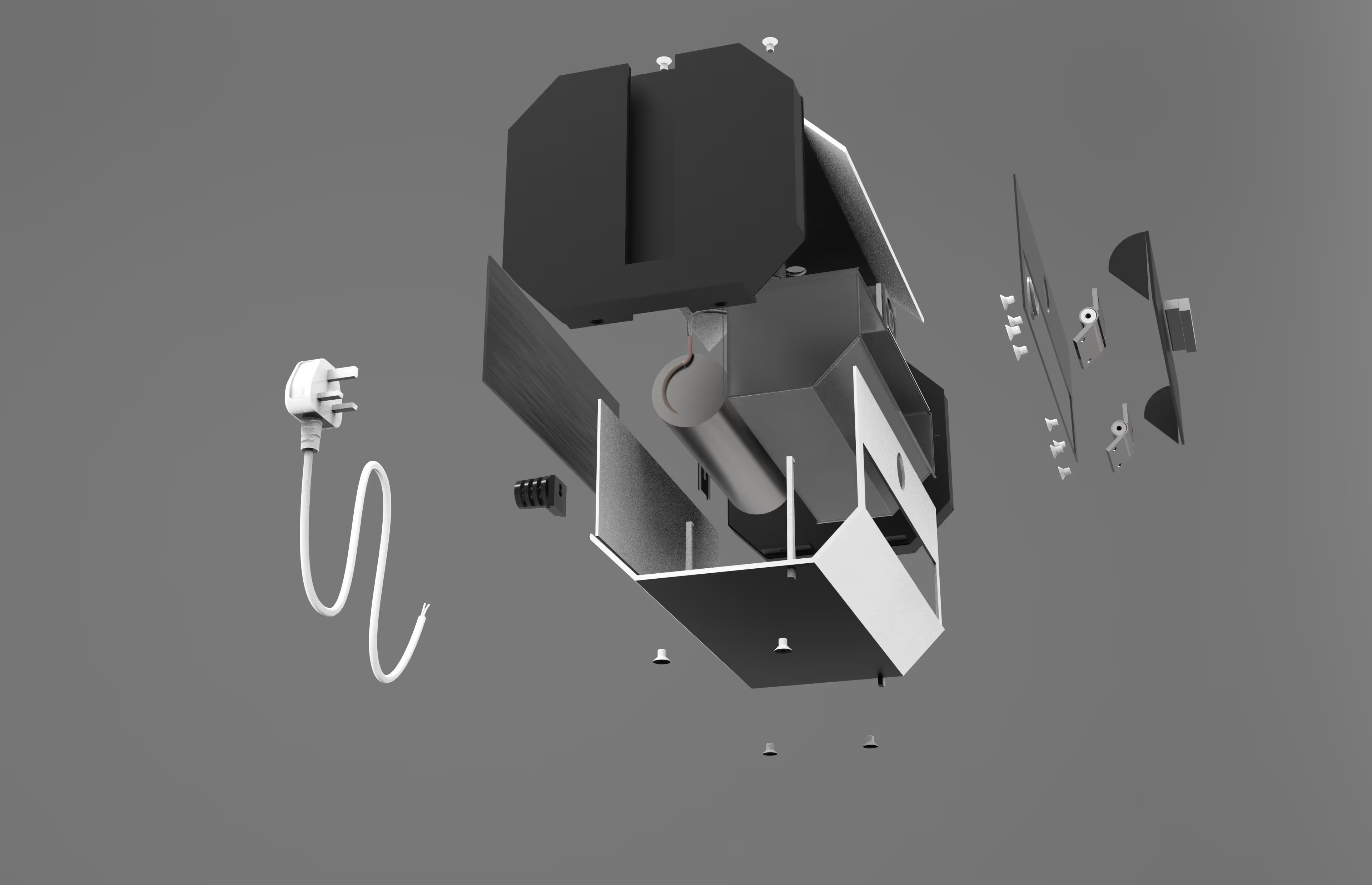
Within the heating element, copper tubes envelop an immersion heater, forming a robust metal cylinder via the meticulous process of sand casting. While the primary metal employed is aluminum, sustainable practices dictate the incorporation of scrap metals like tin and iron wherever possible, ensuring both efficiency and environmental responsibility in the manufacturing process.
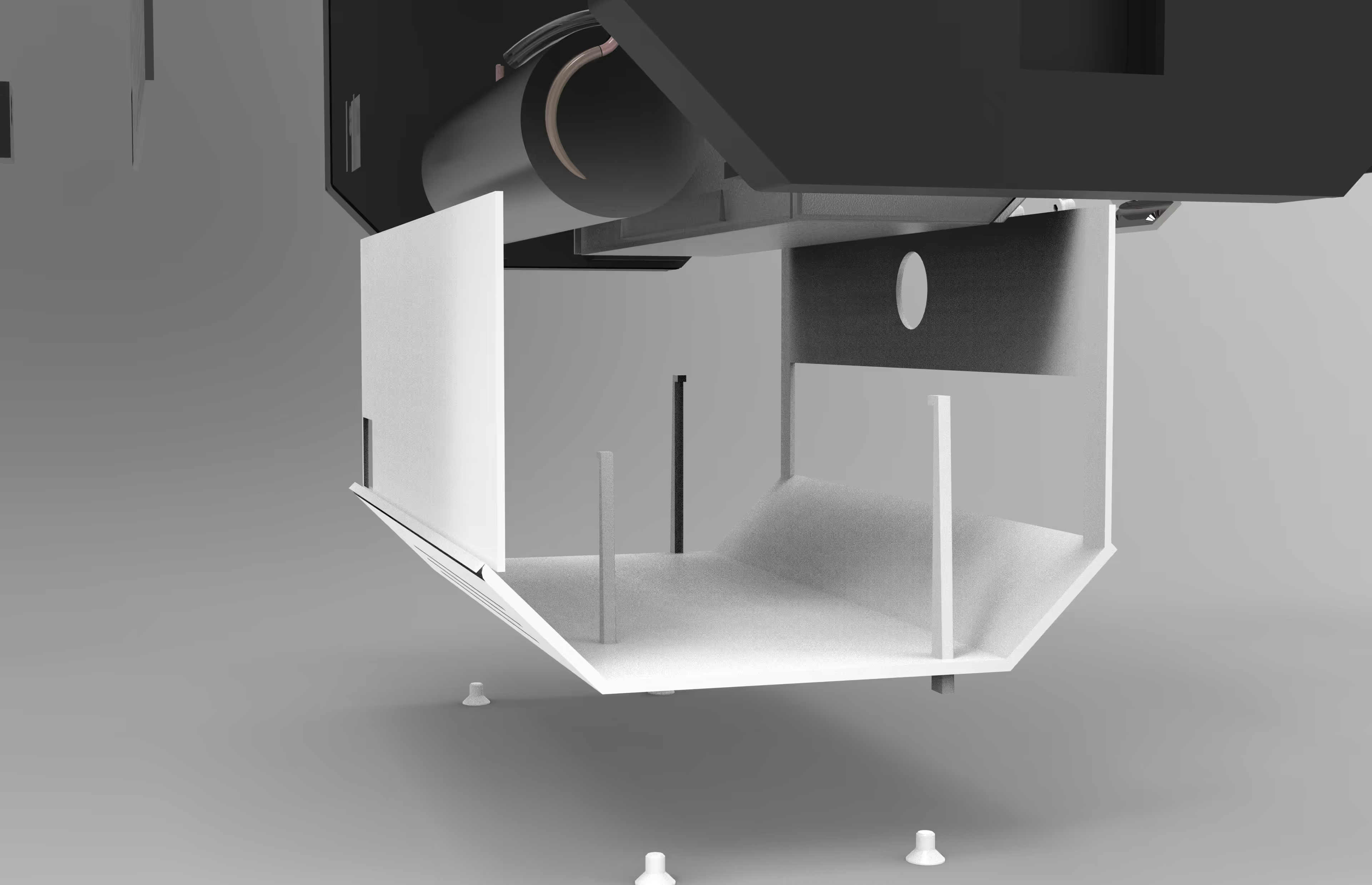
Manufacturing Process and Design Features of the Lighting Component Casing
The production of the lighting component casing involves the creation of two key components through injection molding: the main casing and the interlocking side panel.
The inclusion of beveled edges in the lighting component casing results in a notable draft angle of 16 degrees, a design feature critical for facilitating seamless demolding during manufacturing.
Additionally, structural support within the lighting component casing is provided by two internal walls traversing the piece. Notably, these walls are not entirely linear; rather, their underside is carefully designed to incorporate a 5-degree draft angle. This intentional design element optimizes the manufacturing process, ensuring efficient production and assembly of the lighting component casing.
Intergration and Assembly
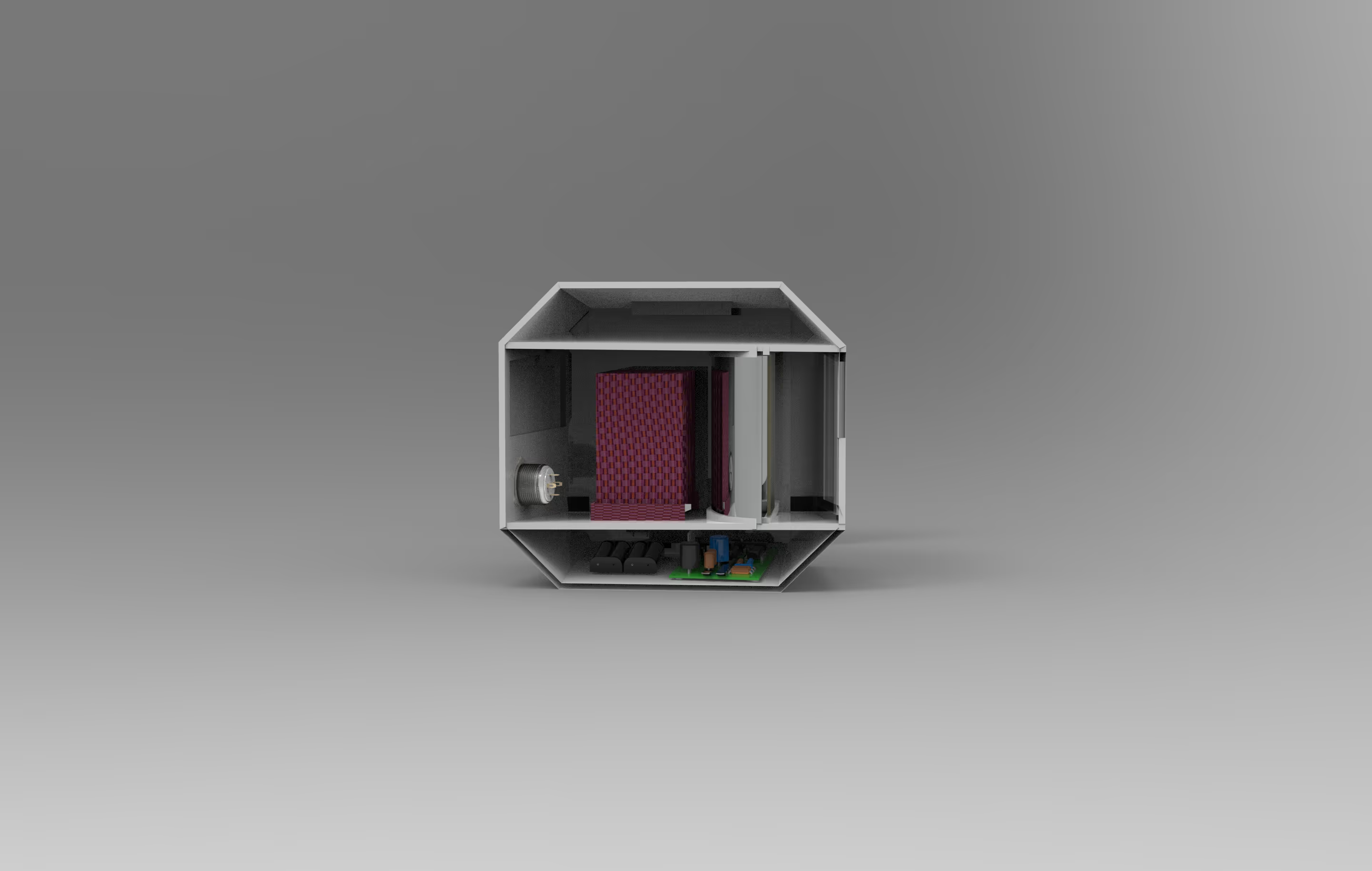
An adhesive is applied to secure the underside of the subassembly in place. The window pane is meticulously crafted through injection molding using clear acrylic material. Its design features a distinctive lip, strategically incorporated to serve as a bonding area for Methyl methacrylate adhesives. This adhesive facilitates the seamless joining of the pane's surface to the LC Casing, ensuring a secure and visually cohesive integration within the overall assembly.
rENDERs